The Homebuyer’s Guide to Foundation Red Flags | Perma Pier
Key Takeaways:
- Learn how to identify foundation warning signs before you buy a home.
- Discover what cracks, sticking doors, and uneven floors really mean.
- Use our checklist to avoid costly surprises after closing.
- Don’t panic! Get a foundation evaluation to negotiate repairs or price.
- Includes practical inspection tips for homebuyers and realtors.
Foundation Red Flags Every Homebuyer Should Know
Buying a home is one of life’s biggest financial decisions. And the foundation can tell you a lot about the home’s health and overall condition. Structural issues and shifting foundations can lead to problems that can worsen over time. Learn how these changes can affect the home’s value and how a home foundation inspection can help you address them before finalizing the sale.
Why Foundation Checks Matter Before You Buy
Foundation checks are essential regardless of the home’s age or location. Expanding or contracting soil, aging construction materials, and renovations that add excess weight to the frame can lead to foundational issues at any stage of the home’s lifespan. The problems may be subtle, but they will continue to damage the property and make it less safe to inhabit the longer they go unaddressed.
How Foundation Issues Can Impact Price and Safety
The foundation is the base of the home, providing a flat, stable surface to support the build. If the foundation settles, fractures, or expands and contracts, it puts stress on the rest of the home. These changes make the building less structurally sound and more vulnerable to earthquakes, pests, floods, and everyday damage or deterioration. Some parts of the construction may need to be rebuilt, resulting in extensive repair costs that can affect your housing budget.
Water, vermin, and air can seep into cracks in the foundation. This can make the basement more likely to flood in a storm. Pests can spread debris and burrow themselves in walls and crawl spaces. Drafty walls and floors can also raise your HVAC costs and make it harder to heat or cool the home. This can be especially dangerous for young children, older people, immunocompromised individuals, and those with preexisting respiratory conditions when the surrounding air quality drops.
The “Don’t Panic! Negotiate” Mindset
Foundation issues are common, and many homebuyers may find themselves staring down problems that can complicate the sale. If you discover foundational red flags during the inspection, don’t panic! You can still purchase the home and negotiate your way through the situation to avoid getting the raw end of the deal.
Schedule a home foundation inspection to understand the full scope of the problem. They will check the property’s base, frame, interior, and exterior for cracks, bowing walls, and other warning signs. Their expertise can unearth problems you and your housing inspector may otherwise miss.
Ask them for a quote to see how much it will cost to fix any issues found. Deduct the full price of repairs from the sale price to ensure you’re not paying more than you should.
The Homebuyer’s Pre-Purchase Foundation Checklist
Don’t leave anything to chance. Create a pre-purchase foundation checklist to go over the essentials when buying a home with foundation issues. Every home inspection should include:
The Cover-Up Check: Fresh Paint Over Cracks
Some homeowners may try to cover up burgeoning cracks in the walls with spackle and paint. Check for uneven surfaces on the walls where the paint doesn’t lie flat or appears different from the surrounding wall.
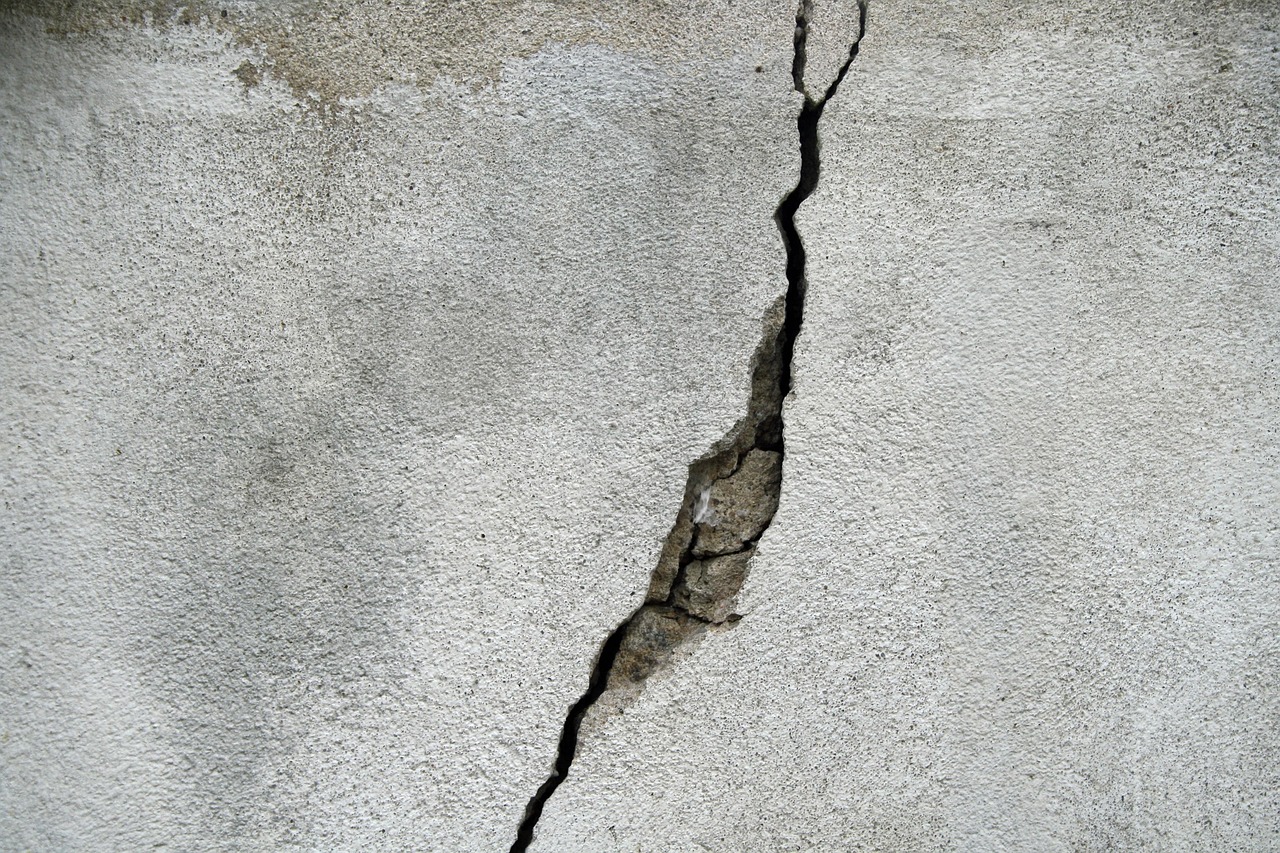
Shifting foundations can also cause paint to crack around the wall break. Water leaks and pests can also damage the paint. Some walls may appear bowed, concave, or convex as they bend to support the floors shifting beneath them.
Simply painting over structural cracks is not a long-term solution. These will need to be repaired by a professional.
The Door Test: Sticky Doors and Uneven Frames
Foundational changes can cause doors and frames to become misaligned. Open and close all the doors to see if they stick or get stuck in the frame. Check whether the frames sit parallel or perpendicular to the surrounding structure.
Some homeowners may try to fix these issues by sanding down the door’s edges so that it closes properly in the frame. Look for gradients in the doors where excess material may have been removed.
The Floor Test: Uneven or Sloping Surfaces
Foundational problems can also cause the floor to develop a slope or cracks. Look for gaps in the floor around doors and walls. Use a level to check for sloping floors. You can also place a round object on the surface to see if it rolls to one side.
Some homeowners will add tiles, hardwood, or linoleum to mask breaks in the floor. Feel for gaps where cold or warm air may be escaping between floors.
Outside Signs: Cracks In Brick or Gaps Near Windows
Check the home’s exterior for cracks in the siding and gaps around windows. The previous owner may try to patch these spots with spackle, new siding, or paint. Some of these issues can be safely sealed with additional materials, but larger cracks may indicate deeper foundational harm.
When to Call for a Professional Evaluation
You don’t have to be a foundation expert to spot these issues before buying a home. A professional inspector, engineer, or contractor can help you assess the condition of the home’s foundation to determine whether it needs repair. It’s always a good idea to schedule an evaluation when considering a home to ensure it is on solid ground.
What a Foundation Evaluation Includes
A home foundation inspection includes a complete overview of the home’s foundation. An expert will examine the interior and exterior for the problems mentioned above. They will also review the materials used to build the foundation and its location to determine whether it is at risk of shifting, expanding, or contracting in the future. This can include soil tests, structural measurements, and a review of the home’s history, including a list of previous repairs.
How It Gives You Leverage In Negotiation
The more you know about the home’s foundation, the more you can negotiate. You can cite the inspector’s findings to reduce the sale price depending on the extent of the damage and necessary repairs. The housing inspector should be a trustworthy, independent third party with years of experience uncovering foundation issues. You can put the money you saved on the home’s final sale price toward the repairs, or ask the current owner to make the repairs before closing the deal.
What to Do if You Spot Foundation Red Flags
You don’t have to walk away from your potential dream home if foundation issues appear. A professional foundation repair team will help you find a solution so the sale can proceed. Schedule a home inspection if red flags arise to understand the full extent of the problem.
Questions to Ask the Seller or Agent
You should ask the seller or agent about the materials used to build the home. Request a list of repairs and when they were made to discover when these problems first occurred. Ask about their existing utility costs and compare them to what others pay in the area to get a sense of the home’s insulation. Inquire about potential health hazards, including mold, lead paint, and asbestos that may become exposed due to foundational cracks.
Repair vs. Price Reduction: Smart Negotiation Tactics
Foundation issues can cost tens of thousands of dollars to fix. The repair estimate can be your secret weapon in the negotiation process. Be honest and upfront about your concerns and discuss the estimate you received from a professional inspector with the seller to show them what needs to be repaired.
If you reduce the home’s sale price and agree to fix these issues, consider how you will pay for the repairs. Will you pay them in one lump sum or in installments? Some home inspection firms offer flexible payment options. Balance these expenses with other housing costs, such as moving, insurance, and property taxes, to stay within your budget.
Consider how long it will take the team to complete the job and whether you can move in while the work is being performed. Will you need to find temporary housing until the repairs are complete? Answering these questions will help you calculate the true cost of repairing the home.
FAQs:
1. What are the most common signs of foundation problems when buying a house?
Uneven floors, cracks in walls, and gaps around doors and windows are the most common signs of foundation problems. They indicate that the foundation has shifted and that some of the structure has moved out of place.
2. Should I walk away from a home with foundation issues?
No, you don’t have to walk away from a home with foundation issues. A home foundation inspector will help you calculate the cost of repairs so you can use the quote during negotiations. Deduct the repair estimate from the sale price or ask the seller to fix the issues before finalizing the sale. If repairs are needed, consider how they may affect your ability to move into the home.
3. How much does a foundation inspection cost?
Perma Pier Foundation Repair offers free inspections. In some cases, an inspection can cost several hundred dollars or more, depending on the size of the property.
4. Can foundation problems affect my mortgage approval?
Yes, severe foundation damage may affect your ability to get a mortgage. The sale price should reflect the home’s actual value. Fixing these issues to ensure the house will withstand the test of time will help you get your loan application approved.
5. What’s the difference between cosmetic cracks and serious structural ones?
Cosmetic cracks can be filled in and sealed to prevent leaks and drafts. Severe structural damage can make the home unsafe and may lead to extensive flooding, airflow problems, and pest issues. These problems will only get worse as the house continues to shift, expand, or collapse due to changes in the soil or poor construction.
Get a Free Foundation Inspection (9 value!)
No-obligation evaluation from Texas foundation specialists.
- Free inspection (no obligation)
- Transferable lifetime warranty available
- 30+ years of Texas foundation experience