
Foundation Red Flags During a Home Tour: 15 Things Buyers Can Check in 10 Minutes
Key Takeaways
- You can spot major foundation red flags in 10 minutes during a home tour — no tools required.
- Cracks, sticking doors, and sloping floors often signal foundation movement in Texas homes.
- Exterior drainage issues are one of the most common causes of foundation problems.
- Early detection can save buyers thousands in foundation repair costs.
- When in doubt, schedule a professional foundation inspection before closing.
Key Takeaways
- You can spot major foundation red flags in 10 minutes during a home tour — no tools required.
- Cracks, sticking doors, and sloping floors often signal foundation movement in Texas homes.
- Exterior drainage issues are one of the most common causes of foundation problems.
- Early detection can save buyers thousands in foundation repair costs.
- When in doubt, schedule a professional foundation inspection before closing.
Buying a home in Texas often means evaluating more than curb appeal and kitchen upgrades. One of the most important factors to watch during a home tour is the foundation. Because of the region’s expansive clay soils, foundation problems in Texas are more common than many buyers realize.
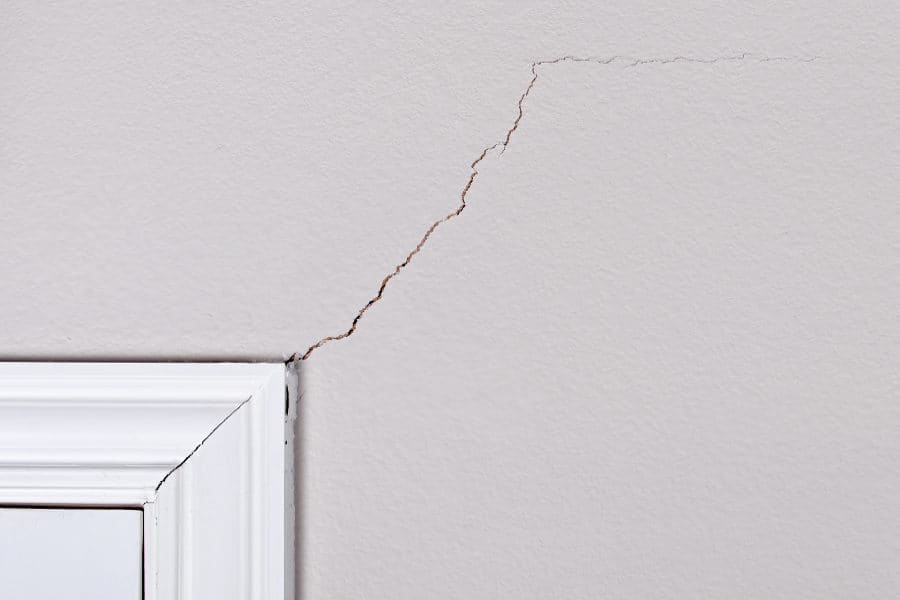
During a walkthrough, buyers may notice early signs of foundation issues, including cracks in walls, doors that stick, or uneven flooring. Understanding the meaning of cracks in walls during a home tour can help determine whether they are cosmetic imperfections or possible structural warning signs.
Many foundation red flags can be spotted within minutes—no tools required. Uneven flooring, sticking doors, and visible cracks may indicate movement beneath the structure. In some homes, sloping floors and foundation movement occur when soil beneath the slab expands or contracts unevenly, making early detection especially valuable for buyers before making an offer.
Why Foundation Red Flags Matter in Texas Homes
Texas homes face unique structural pressures because of the state’s expansive clay soils. These soils absorb water during wet periods and shrink significantly during drought conditions, causing the ground beneath foundations to move.
Engineering research explains that expansive soils can change volume dramatically as moisture levels fluctuate, placing pressure on residential foundations and potentially leading to structural movement (McLain & Associates Engineering, n.d.).
This expansion–contraction cycle is a primary reason foundation problems in Texas occur so frequently. During prolonged dry periods, soil shrinks and may pull away from the foundation. When heavy rainfall returns, the soil swells again, pushing against the structure.
Because soil movement plays a major role in structural issues across the region, buyers should understand how expansive clay soil in Texas affects residential foundations and why proper drainage and soil management are essential for long-term stability.
For homebuyers touring properties, early recognition of foundation red flags can help identify whether a home may need further evaluation before purchase.
Exterior Foundation Red Flags to Check First
Exterior symptoms often provide the earliest clues that a home’s foundation may be shifting. Buyers can typically spot several structural indicators simply by walking around the outside of the property during a tour.
Stair-Step Brick Cracks
Stair-step cracks appear in brick mortar joints, forming a stepped pattern along the wall. These cracks often occur when one section of a foundation moves differently from another.
Hairline cracks can be normal settling, but widening stair-step cracks may signal structural movement.
Gaps Around Window Frames
When foundations shift, window frames may begin separating slightly from the surrounding wall. Look for uneven trim lines or small gaps between windows and brick or siding.
These subtle separations may appear before larger structural cracks become visible.
Separation at Garage Door Corners
Garage door openings create stress points in the structure. Diagonal cracks extending from the corners of the garage opening may indicate foundation movement.
Because garage openings span wide structural areas, they often reveal early foundation shifting.
Leaning Chimney
A chimney that tilts away from the home can indicate foundation movement beneath the chimney base. Even a slight separation between the chimney and the house may warrant further inspection.
Poor Drainage Near the Slab
Drainage problems are one of the most common causes of structural movement. Soil should slope away from the house so rainwater flows away from the slab.
Standing water near the foundation may increase soil expansion and contribute to structural stress.
The International Code Council notes that site grading should direct water away from structures to protect foundations from moisture-related damage (International Code Council, n.d.).
Interior Warning Signs of Foundation Problems
After examining the exterior, buyers should also look for interior signs of foundation movement.
Cracks in Drywall (Diagonal or Wider Than 1/8″)
Interior drywall cracks reveal key structural information during a home tour. Buyers need to understand whether these cracks result from normal settling or indicate structural movement.
Cracks wider than 1/8 inch or diagonal cracks near windows and doors show that the foundation is shifting.
Doors That Stick or Won’t Latch
Doors that suddenly stick, drag along the floor, or fail to latch properly signal slight structural misalignment caused by foundation movement.
Testing several doors during a tour can sometimes reveal subtle shifts in framing.
Uneven or Sloping Floors
Walking slowly across a room can sometimes reveal uneven surfaces. In some cases, buyers notice that furniture tilts or objects roll across the floor.
In Texas, sloping floors and foundation movement can occur when the soil beneath the slab expands or contracts unevenly.
Cabinets Pulling from Walls
Cabinets that appear to separate from walls or ceilings indicate movement in the structural framing behind them.
These gaps sometimes appear before other structural symptoms.
Nail Pops or Ceiling Cracks
Nail pops occur when drywall fasteners push outward due to minor structural movement. While common in some homes, multiple nail pops combined with cracks may suggest structural stress.
Quick 3-Minute Drainage Check During a Tour
Drainage is one of the most common contributors to foundation problems. Fortunately, buyers can quickly assess drainage conditions in just a few minutes.
Start by checking gutters and downspouts. Downspouts should direct water several feet away from the foundation rather than emptying directly beside the slab.
Next, observe the slope of the soil surrounding the home. Ideally, the ground should gradually slope away from the house for several feet. A slight outward slope helps prevent water from pooling around the foundation.
Finally, look for signs of standing water, soil erosion, or unusually damp areas around the property. These conditions may indicate poor drainage, which can contribute to soil movement beneath the foundation.
The International Code Council notes that proper site grading is essential to prevent water accumulation near foundations, which can affect structural stability (International Code Council, n.d.).
10-Minute Foundation Check for Homebuyers
During a home tour, buyers can quickly check for potential structural concerns by looking for these warning signs:
- stair-step brick cracks
- sticking doors or windows
- visible drywall cracks
- uneven or sloping floors
- drainage problems around the slab
If multiple symptoms appear together, schedule a foundation inspection before buying the home. If you noticed potential warning signs during a property tour, learn more about how professionals address structural movement. Our guide to foundation repair in Texas explains common causes of foundation damage and the repair methods used to stabilize homes across the state.
When to Request a Professional Foundation Inspection
When buyers notice multiple signs of foundation issues, the next step is a professional evaluation.
Scheduling a foundation inspection before buying the home allows specialists to determine whether symptoms are cosmetic or structural. Inspections may include elevation measurements, structural analysis, and drainage assessments.
Professional evaluations can help buyers determine whether the home requires stabilization, monitoring, or no structural repairs.
A Real Texas Example of Foundation Movement
Foundation movement caused by expansive clay soil is not just theoretical—it affects real properties across Texas every year.
In Booker, Texas, a school building began to experience structural settlement after moisture changes created voids beneath it. Engineers determined that the building sat on expansive clay soils with strong shrink-swell behavior. As the soil expanded when wet and contracted during dry periods, sections of the foundation shifted unevenly. The movement eventually caused cracking in walls and floors as well as misalignment of doors and windows, requiring structural repairs to stabilize the building (Childers Brothers, n.d.).
For buyers evaluating a home with past foundation repairs, one of the most important questions to ask is whether the repair system includes a transferable warranty. Reputable foundation repair systems offer long-term warranties that remain valid even when the property changes ownership. Reviewing documentation for repair warranties, engineering reports, and inspection records can help buyers understand the structure’s long-term stability before closing.
What to Do If You Spot Foundation Red Flags Before Making an Offer
Discovering potential structural issues does not automatically mean a property should be avoided. Many homes with past foundation movement can still be good investments when repairs have been properly performed.
Buyers often request a professional evaluation and use the findings during negotiations. Repair estimates and documentation may influence the purchase price or the amount of seller concessions.
Understanding the cause of movement—whether soil conditions, drainage, or structural settlement—helps buyers make informed decisions.
Protecting Your Investment: Smart Next Steps Before Closing
Purchasing a home involves evaluating both visible features and underlying structural stability. Buyers who notice warning signs during a home tour should take time to investigate before finalizing a purchase.
Reviewing repair records, verifying warranty coverage, and requesting a professional evaluation can provide valuable insight into the home’s condition.
For buyers who want additional confidence before making an offer, scheduling a professional foundation inspection can help identify structural concerns early and provide clarity about the home’s condition before closing.
FAQs
Are small cracks in walls normal in Texas homes?
Yes. Small hairline cracks are common in many Texas homes because expansive clay soil naturally expands and contracts with seasonal moisture changes. Minor cosmetic cracks may appear in drywall or brick over time. However, cracks wider than about 1/8 inch, diagonal cracks near doors or windows, or cracks that continue growing may indicate foundation movement and should be evaluated by a structural professional.
How much foundation movement is normal?
Some degree of foundation movement is normal in areas with expansive soil. Small seasonal shifts often occur as soil moisture levels change. Structural engineers generally look for patterns of movement rather than isolated cracks. When movement becomes uneven or causes structural symptoms—such as sticking doors, sloping floors, or widening cracks—it may warrant a professional evaluation.
Should I walk away from a house with foundation issues?
Not necessarily. Many homes with past foundation movement can still be good purchases if the problem has been properly repaired and documented. Buyers should request repair records, engineering reports, and warranty details before making a decision. A professional foundation inspection can help determine whether the issue is stable or likely to worsen.
Can a home inspector diagnose foundation problems?
Home inspectors can identify visible warning signs such as cracks or uneven floors, but they typically do not perform structural engineering analysis. If potential foundation issues appear during an inspection, buyers are often advised to obtain a specialized structural or foundation evaluation for a more detailed assessment.
References:
International Code Council. (n.d.). International Residential Code (IRC).
https://www.iccsafe.org
McLain & Associates Engineering. (n.d.). Expansive clay soil and foundations.
https://mlaw-eng.com/expansive-clay-and-foundations/
Texas Department of Licensing and Regulation. (n.d.). Construction licensing and regulation.
https://www.tdlr.texas.gov
Childers Brothers. (n.d.). Booker School foundation repair case study.
https://childersleveling.com/blog/booker-school-foundation-repair-case-study
Wise, J. R. (1971). An examination of expansive clay problems in Texas. University of Texas Center for Transportation Research.
https://library.ctr.utexas.edu/digitized/texasarchive/phase1/118-5-chr.pdf
Get a Free Foundation Inspection (9 value!)
No-obligation evaluation from Texas foundation specialists.
- Free inspection (no obligation)
- Transferable lifetime warranty available
- 30+ years of Texas foundation experience