Mulch, Flowerbeds, and Raised Planters: Landscaping Choices That Quietly Trap Water Near Foundations
Key Takeaways:
- Certain landscaping choices like mulch beds and raised planters can trap water near the foundation and increase risk of foundation damage.
- Poor drainage around flowerbeds is a common but overlooked cause of moisture buildup near homes.
- Adjusting grading, spacing, and materials can help prevent water from collecting around your foundation.
Most homeowners think of landscaping as curb appeal—mulch beds, fresh flowers, and raised planters that make a home look finished. But some of these same choices can unintentionally trap water near foundation areas and lead to long-term structural concerns.
It’s one of the most common—and overlooked—causes of foundation drainage issues. The problem usually doesn’t come from one big mistake. It builds slowly through everyday decisions: where you place mulch, how you shape flowerbeds, or how often you water plants.
This guide walks through how landscaping can contribute to landscaping foundation problems, what to watch for, and how to design your yard so water moves away from your home—not toward it.
How Landscaping Can Impact Your Foundation Without You Noticing
Most drainage problems don’t start with major construction errors. They start with small, well-intentioned landscaping choices.
Adding mulch to retain moisture, building flowerbeds for aesthetics, or installing raised planters for convenience can all change how water behaves around your home. Over time, these features can slow drainage, create low spots, or direct water toward the structure instead of away from it.
Because these changes happen gradually, many homeowners don’t notice the impact until signs of moisture buildup appear. As noted in Perma Pier’s drainage guidance, water movement around the home often follows subtle grading and surface changes that develop over time.
Why Water Near Your Foundation Is a Serious Problem
Water sitting near your foundation affects more than just the surface of your yard—it changes the behavior of the soil underneath your home.
When soil becomes saturated, it can expand, compress, or erode. According to the U.S. Geological Survey, expansive soils can “shrink or swell depending on moisture content,” sometimes leading to structural movement (U.S. Geological Survey, n.d.).
Over time, this movement can result in:
- Uneven support beneath the foundation
- Cracks in walls or exterior brick
- Doors and windows that no longer align properly
The International Code Council also emphasizes that site grading must direct water away from structures to prevent moisture-related damage (International Code Council, n.d.).
In simple terms: water that lingers near your home doesn’t stay harmless—it changes the ground your home depends on.
How Mulch Beds Can Trap Moisture Against Your Home
Mulch is designed to hold moisture. That’s what makes it great for plants—but risky when placed too close to your foundation.
When mulch is installed directly against the home, it slows evaporation and keeps the soil underneath consistently damp. This creates a zone where water doesn’t drain easily, especially after rainfall or irrigation.
A common mistake is building thick mulch layers along the foundation wall. While it may look clean and well-maintained, it can trap moisture right where you don’t want it.
Over time, this constant moisture exposure can contribute to soil instability near the structure. The issue isn’t mulch itself—it’s placement, depth, and how it interacts with drainage around the home.
The Hidden Drainage Risks of Flowerbeds Near the House
Flowerbeds often sit right along the perimeter of the home—but they can unintentionally create drainage problems.
When soil is added to form a flowerbed, it can build up higher than the surrounding yard. This sometimes creates a slight “basin” effect, where water collects rather than flowing away.
Edging materials, such as stone or plastic borders, can make this worse by blocking natural runoff. Instead of dispersing across the yard, water gets trapped inside the flowerbed and slowly seeps toward the foundation.
If the bed slopes toward the house—even slightly—it can direct water inward. According to the International Code Council, proper grading should always move water away from the structure (International Code Council, n.d.).
Even small grading mistakes in flowerbeds can disrupt that flow.
Raised Planters: When “Elevated” Landscaping Still Causes Problems
Raised planters seem like a safe option—they’re elevated, contained, and often built for better control. But they can still contribute to drainage issues.
When placed close to the home, raised planters can:
- Concentrate water from irrigation
- Overflow during heavy rain
- Redirect runoff toward the foundation
Because they hold soil above ground level, any excess water needs somewhere to go. If that runoff isn’t directed outward, it often ends up pooling at the base of the structure.
In some cases, repeated watering from planter irrigation systems can keep soil near the foundation consistently damp—similar to overwatering a flowerbed.
The risk isn’t the planter itself. It’s how water exits the system and where that water ends up.
Common Landscaping Mistakes That Make Drainage Worse
Many landscaping drainage tips come down to avoiding a few common habits.
Overwatering is one of the biggest contributors. Watering plants near the home too frequently can keep the soil saturated, especially in areas with poor drainage.
Using dense or compacted soil is another issue. When soil doesn’t drain well, water stays near the surface instead of dispersing.
Blocking natural water flow is also common. Features like edging, decorative borders, or even misplaced garden beds can interrupt how water moves across your yard.
These mistakes don’t usually cause immediate damage—but over time, they can create conditions where water repeatedly collects near the foundation.
How to Design Landscaping That Protects Your Foundation
Good landscaping doesn’t just look nice—it manages water effectively.
Start with spacing. Keeping mulch, flowerbeds, and planters a reasonable distance from the foundation allows water to drain naturally.
Next, focus on grading. A gentle slope away from the home helps direct runoff outward. Many professionals recommend a gradual slope of about one inch per foot for the first several feet.
Material choice also matters. Well-draining soil and lighter mulch layers allow water to move through instead of pooling.
If drainage issues already exist, drainage solutions such as regrading or installing systems designed to move water away from the home may be necessary.
Warning Signs Your Landscaping Is Causing Foundation Issues
Landscaping-related drainage problems often show early warning signs.
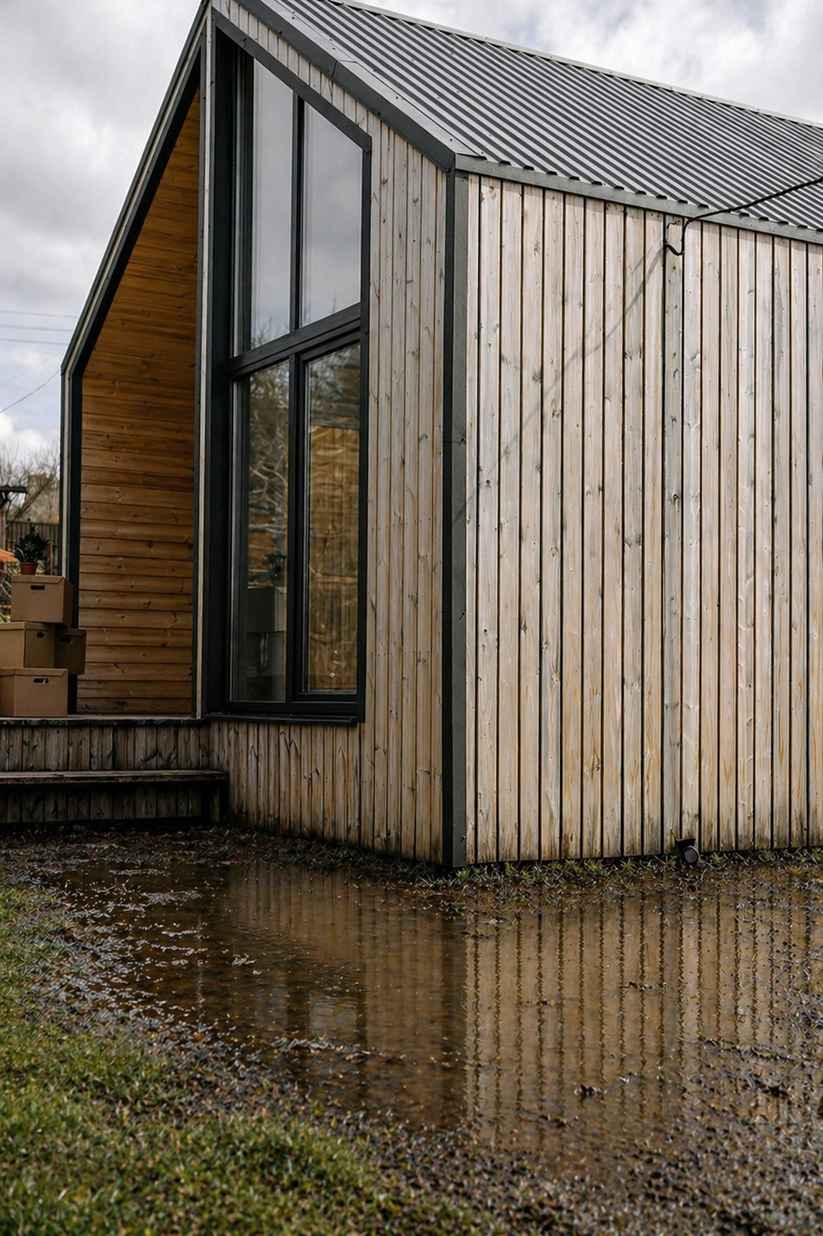
Pooling water near the home after rain is one of the most obvious. If water sits for hours—or longer—it may indicate poor drainage.
Soggy soil or erosion around flowerbeds can also signal that water isn’t moving properly.
Inside the home, early signs may include small cracks, sticking doors, or uneven floors. These symptoms can develop gradually as soil conditions beneath the foundation change.
Catching these signs early can prevent more serious structural concerns or foundation problems.
When to Call a Foundation Specialist
Some drainage issues can be corrected with simple adjustments—like improving grading or reducing overwatering.
But when water consistently collects near the foundation, or when structural warning signs appear, it’s time for a professional evaluation.
Schedule a foundation inspection with a specialist at Perma Pier. They can assess whether landscaping is contributing to moisture problems and recommend solutions that address both drainage and structural stability.
The goal is to catch issues early when they’re easier and less expensive to fix, and before they require foundation repair. Contact Perma Pier today and schedule your free consultation.
FAQs
References
U.S. Geological Survey. (n.d.). Expansive soils and foundation movement.
https://www.usgs.gov
International Code Council. (n.d.). International Residential Code (IRC).
https://www.iccsafe.org
Environmental Protection Agency. (n.d.). Managing stormwater runoff.
https://www.epa.gov
https://www.iccsafe.org
Childers Brothers. (n.d.). Booker School Foundation Repair Case Study.
https://childersleveling.com/blog/booker-school-foundation-repair-case-study
Get a Free Foundation Inspection (9 value!)
No-obligation evaluation from Texas foundation specialists.
- Free inspection (no obligation)
- Transferable lifetime warranty available
- 30+ years of Texas foundation experience