Exterior Brick Separation: Why Your Walls Are “Peeling” | Perma Pier
Key Takeaways:
- Learn why brick walls separate from wood framing.
- Identify visible gaps near windows and corners.
- Understand how foundation settling snaps brick ties.
- Find out why moisture and pests make separation worse.
- Discover how professionals can “pin” your wall back safely.
Why Exterior Bricks Separate from Your House — and How to Fix It
Brick walls are known for their low maintenance and durability, but they can also separate from the wood frame of your house due to foundation issues, poor insulation, and water damage. Separation is often a symptom of larger problems that can affect your home’s safety and market value. Learn how these cracks develop and how to fix them.
What Brick Separation Looks Like
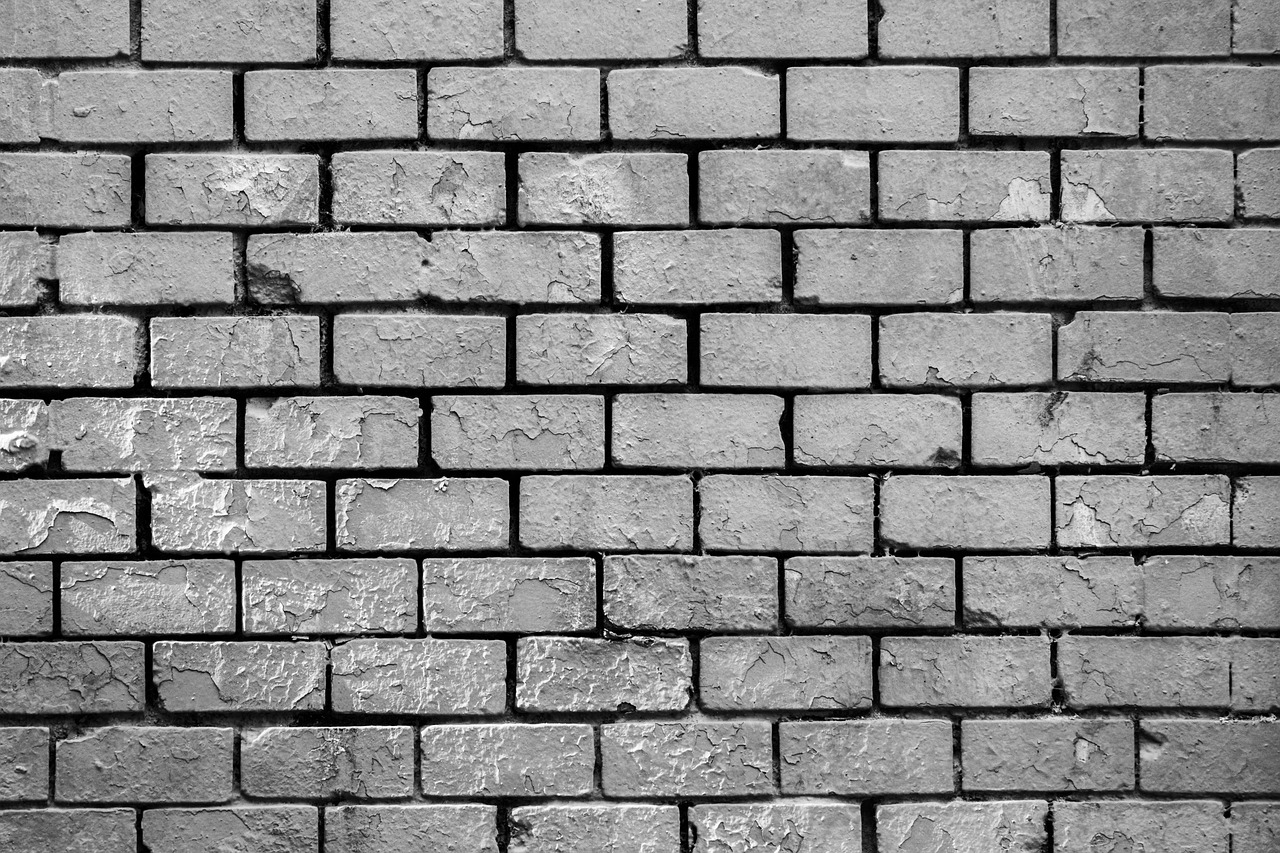
When bricks begin separating from a house, gaps form between the layers of mortar, a process known as delamination. The wall may eventually detach from the wood framing, causing it to bow or lean to one side. The individual bricks may start to crack under pressure, slide, or pop out of place. The problem may be subtle at first, but it will often get worse due to excess moisture, pests, or as the foundation continues to shift.
The “Gap Test” Around Windows and Doors
Gaps around windows and doors, and window seals separating, are among the first signs of brick separation. Your utility bills may increase due to poor insulation and excess airflow.
Use the gap test to see if separation has occurred. Feel for warm or cool air escaping through the bricks near doors and windows. Look for gaps or inconsistencies in the layers of brick and mortar around your home.
When You Can Literally See Daylight
In severe cases, you may be able to see daylight through the gaps in the brick. The cracks will widen as the foundation shifts or as water and pests invade the mortar joints. This is often a sign that the wall is no longer structurally secure and may be at risk of collapsing.
What Causes Exterior Walls to Pull Away
Cracks in exterior walls may indicate installation issues, such as a lack of brick ties that securely attach the wall to the house or improper mortar coverage. However, bowed or leaning walls, complete decoupling, and snapped brick ties often point to foundation issues.
Foundation Settlement and Shifting Soil
Foundation gaps and shifting slabs are the leading cause of brick wall separation. The soil under the foundation can settle due to the structure’s weight. The freeze-thaw cycle naturally causes the soil to contract and expand with temperature changes. This pushes against the concrete slab and can cause it to crack, shift, or become unlevel. This can then cause the exterior brick walls to break away from the structure.
Broken or Corroded Brick Ties
Brick ties are designed to keep the brick veneer attached to the wooden frame. They are made of metal and installed throughout the façade. One end is nailed into the wooden studs, and the other is attached to the mortar joints in the brick.
Some ties can break under pressure as the foundation gradually pulls the wall away. They can also become corroded by excess moisture and oxidation, weakening their bonds. Stainless steel brick ties are corrosion-resistant and can provide stronger connections that can withstand foundational shifts.
Moisture and Pest Intrusion
Moisture can cause delamination in brick walls by corroding the brick ties or eroding the mortar. The gaps will widen as more water passes through cracks in exterior walls. Pests can then crawl inside the openings or between the wall and the structure as they drift apart.
How Brick Separation Affects Safety and Structure
Brick separation and exterior wall gaps are more than cosmetic imperfections—they pose serious safety and structural risks that should be addressed as soon as possible to prevent further damage.
Air Leaks, Insulation Loss, and Mold Risk
Gaps in the brickwork can cause air leaks, making it harder and more expensive to heat and cool your home. Separation can allow pests to invade your home and embed themselves in your insulation, especially during the winter. Water can also seep into the insulation or building materials, leading to mold and poor air quality, which can be especially dangerous for older individuals and those with respiratory issues.
Structural Instability and Resale Issues
Bricks separating from the house can also pose structural issues, even if they are not bearing the structure’s weight. Delamination exposes the wooden frame, which can cause water and pest damage. The underlying foundation gaps or settling soil that caused the breaks also need to be addressed to prevent further damage. This process can impede home buying, as potential buyers identify foundation issues that can take tens of thousands of dollars off the asking price.
The Fix: How Pros Reattach Brick Veneers
The best way to fix gaps in brick walls is to call the professionals. Perma Pier’s foundation repair services will help you solve the underlying problem causing the separation.
We use science and advanced imaging techniques to spot foundation gaps and changes in the soil around the concrete slab. Our team understands the complex factors that can cause your home to move out of place, including the conditions known to affect Texas soil.
How Much Does Foundation Repair Cost?
Repairing the foundation can cost several thousand dollars or more. The cost depends on the scope of the problem and the property’s size. Ignoring the issue will only lead to further damage and settlement, making it more expensive to fix. Perma Pier offers flexible financing options to help you make ends meet when gaps arise, so you can resolve the underlying issue and keep your home secure.
Learn more about the costs of foundation repair and how we can help you find a payment plan that suits your budget.
Reinforcing with New Brick Ties
Once the team lifts and levels the foundation and secures the wall, they will reinforce the brick veneer with durable, flexible brick ties that keep it securely attached to the wooden frame. We use high-quality materials designed to withstand pressure, natural movements, and exposure to moisture.
Sealing and Waterproofing the Repaired Wall
We finish the job by sealing and waterproofing the brick wall to keep moisture and pests out. The exterior will appear level and smooth, helping your home look its best. The coating is designed to protect your home from water damage for years to come.
Scheduling a Foundation Inspection
Don’t wait to correct foundational issues. Gaps in exterior walls are typically the first signs of shifting foundations, which often means the worst is yet to come.
Perma Pier offers free foundation inspections to Texas homeowners. Our team will assess the issue to help you determine the underlying cause. We provide transparent, upfront cost estimates before the work begins to help you plan accordingly.
Schedule a consultation today to secure the bricks outside your home.
FAQs:
1: What causes bricks to separate from a house?
Foundation issues, such as settling or eroding soils, cause brick walls to separate from the house. When the concrete slab moves, it puts pressure on the brick ties as the wall moves away from the frame.
2: Is brick separation dangerous?
Yes, brick wall separation can be dangerous. Foundation issues can make the home structurally unsound and unsafe to inhabit. These gaps can let moisture and pests into your home, leading to mold, poor insulation, and poor air quality.
3: Can I fix the brick separation myself?
You can fix minor gaps in the brick wall yourself. But you should call foundation repair experts to resolve issues with the home’s foundation.
4: How do professionals reattach brick walls?
Professionals reattach the brick walls by leveling and stabilizing the foundation to prevent further decoupling and movement. They then insert durable, corrosion-resistant brick ties to securely attach the wall to the frame. A waterproof seal keeps moisture out for years to come.
5: Will foundation repair prevent future separation?
Yes, foundation repair will prevent the concrete slab under the house from shifting, helping the wall stay firmly attached to the wooden frame. However, additional settling may occur due to ongoing soil erosion and compaction.
Get a Free Foundation Inspection (9 value!)
No-obligation evaluation from Texas foundation specialists.
- Free inspection (no obligation)
- Transferable lifetime warranty available
- 30+ years of Texas foundation experience