Hairline vs Structural Cracks: A Texas Homeowner’s Monitor or Repair Decision Tree
- Not all foundation cracks require immediate repair.
- Hairline cracks are often cosmetic, while widening cracks may indicate structural foundation problems.
- Location, width, and direction of a crack determine severity.
- A professional foundation inspection removes guesswork.
- Early slab foundation repair can prevent costly damage.
If you have a cracked foundation, it could be a natural part of construction settling or a sign of structural failure, requiring immediate repair and assistance. Learn how to distinguish between the different types of foundation wall cracks to ensure your home is sitting on solid ground.
Why Foundation Cracks Happen
Foundation cracks happen for several reasons, and they don’t all mean the same thing.
Most cracks occur due to foundation shifting. The soil around the concrete slab or pier and beam foundation will expand and contract as moisture levels change. The clay soils of Texas are particularly absorbent and can damage the foundation after heavy rains or as part of the freeze-thaw cycle between seasons.
Excess moisture caused by drainage issues, plumbing leaks, and poor runoff management can also damage the soil underneath the foundation. Water from utilities and the environment can also slowly chip away at the foundation, widening cracks over time.
The added weight of the construction and everything inside the home can also cause the foundation to settle over time. This typically happens as part of the moving-in process and can take 12 to 24 months to play out (Shamim, 2021).
Construction issues, including excessive weight not supported by the materials, improper installation, and other defects, can also put pressure on the foundation, causing it to crack.
What Is a Hairline Foundation Crack?
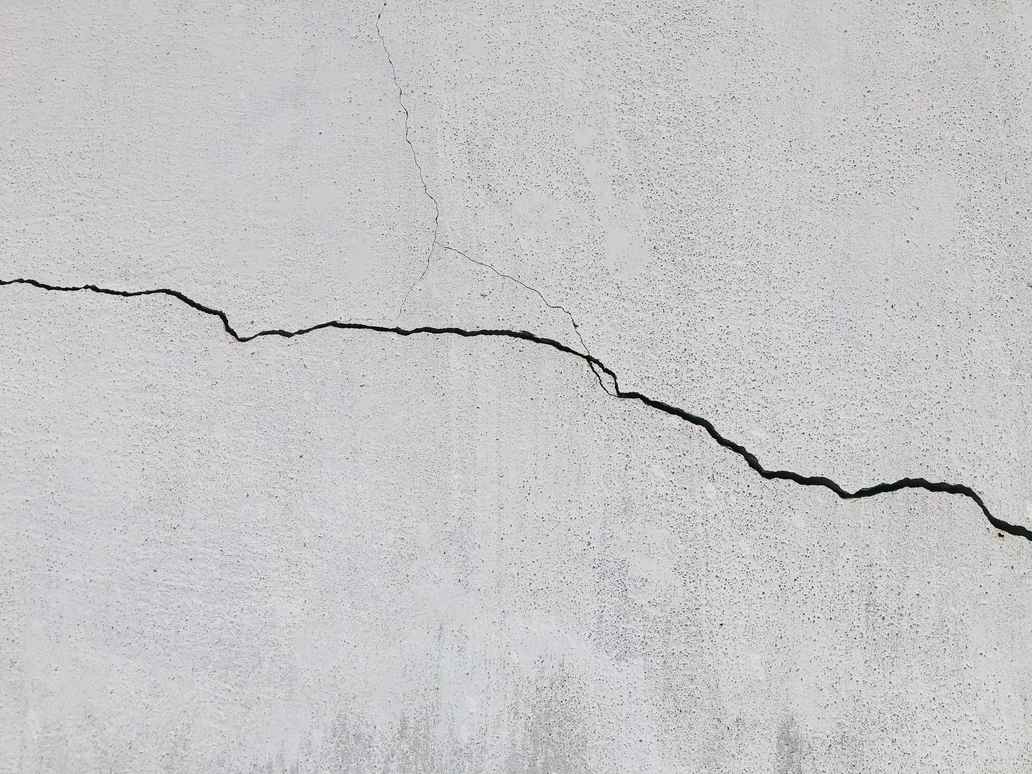
A hairline foundation crack is a minor crack, typically less than 1/8 inch wide. They usually occur due to vertical shrinkage in construction materials, which tend to compact when drying and curing. Vertical hairline cracks are common in new buildings and may occur during the first 12 to 24 months after construction is complete.
While most of these cracks aren’t cause for concern, they should be monitored by the homeowner and foundation repair professionals over time to prevent them from widening. Moisture and pests can worsen the crack to the point where it becomes a structural hazard. If the owner didn’t recently move in and the home was constructed several years ago, the crack may be a sign of foundational stress and should be monitored closely.
Signs of Structural Cracks
Structural cracks requiring foundation repairs are typically horizontal and run across the foundation wall. This is a sign that the foundation is shifting. These types of cracks tend to widen and can become a home for pests and water damage. Anything over 1/8 inch requires immediate repair (Keaveny, n.d.). The cracks may also appear in brick support walls, cement stairs, or be accompanied by sagging floors. The professionals will also check for signs of structural displacement, further evidence that the foundation is shifting.
Monitor or Repair? Decision Tree for Homeowners
You can use this step-by-step guide to decide how to respond to a slab foundation crack based on whether it requires immediate attention or is a normal part of the settling-in period.
- Step 1: Measure Crack Width
Start by measuring the width of the wall crack to see if it is over 1/8 inches. Take measurements at various points along the fissure. Note the direction and location of the crack to see if it is horizontal or vertical. You can take a photo to capture the size and extent of the crack. Be sure to mark the spot where you take the picture to maintain consistency.
- Step 2: Check for Spreading
Monitor the crack periodically over time. Remeasure the width and length to see if it has grown. Take another photo from the same spot and see how the two images compare. Look for cracks around the property to see if the problem is spreading.
If the crack appears to be spreading or widening, contact the professionals to have them repair the cracked foundation.
- Step 3: Look for Interior Symptoms
Check the inside of the home for symptoms of foundation shifting. Ensure all the doors and windows close properly without getting stuck. Try jumping in the middle of interior floors to see if they bounce or sag. Use a straight edge to see if the walls are bowed. Look for signs of distress or displacement between joints and corners, including bursts of warm or cold air leaking in and out of the home.
Interior symptoms require professional assistance and indicate foundational stress.
- Step 4: Schedule Foundation Inspection If Unsure
If you aren’t sure whether the crack is getting worse or if your home is experiencing other symptoms, contact Perma Pier for a professional foundation inspection. We will assess the damage, test the soil, and take precise measurements of the home’s foundation to see if repairs are needed. It is the best way to give yourself peace of mind when cracks appear.
Repair Options for Cracked Foundations
If the crack is structural and requires foundation repair, the team will review your options to help you make an informed decision and give their expert advice on how to solve the problem.
One option may be to seal the foundation cracks without making structural repairs. This patches the opening to prevent water and pests from widening it. Sealing can prevent future damage for several years or more and may be recommended if the crack appears minor.
If the foundation appears to be sinking, the team can install a pier or support wall to reinforce the foundation. This may include tunneling underneath the home to reach the affected area or layering bricks under the slab. We may recommend polyjacking to lift and level the slab, which means drilling holes into the concrete and injecting polyurethane foam into the structure.
If water appears to be causing the problem by eroding the soil, we can help you waterproof the foundation by redirecting runoff or sealing the crawl space under the pier and beam foundation, which can be a magnet for moisture and pests.
Foundational cracks don’t always imply structural damage. Each case is unique and requires professional expertise to determine the cause of the crack and whether it needs to be fixed. Fixing the foundation is only necessary when it appears to be shifting or settling.
Contact Perma Pier for a free foundation inspection to see if your home needs repair.
FAQs:
1. Are foundation cracks normal in Texas homes?
Yes, foundation cracks are particularly common across Texas, where the clay soil tends to expand and contract. The changing climate, high moisture levels, and poor runoff can also make foundation issues worse.
2. How wide is too wide for a foundation crack?
A crack over 1/8 inch wide requires immediate repair to stop it from widening due to excess moisture and pests. Cracks less than 1/8 inch wide may not require repairs.
3. Can I fix a cracked foundation myself?
No, we recommend calling the professionals when a crack appears. The team will help you determine whether more repairs are needed beyond just sealing the crack.
4. Do foundation wall cracks always mean major damage?
No, foundation wall cracks may not indicate structural damage. They often occur as part of the settling-in period during the first 12 to 24 months of occupation and do not require repairs.
Sources:
Keaveny, W. (n.d.). Misconceptions About the Common Crack. National Association of Home Builders. https://www.nahb.org/-/media/NAHB/advocacy/docs/legal-issues/construction-liability/trending-now/misconceptions-about-the-common-crack-summary.pdf?rev=29ddae3a3fc64e33a2d83db5f5adca35&hash=A9BC2289EB93BCF347D8064D0BFA7196#:~:text=As%20a%20general%20engineer’s%20guideline,Geotechnical%20and%20Foundation%20Engineering%2C%20R.%20W.
Shamim, A. (2021, July 14). How Long Does It Take For a House to Settle? And How Do You Live With It In the Meantime? HomeLight Blog; Homelight Inc. https://www.homelight.com/blog/buyer-how-long-does-it-take-for-a-house-to-settle/
Get a Free Foundation Inspection (9 value!)
No-obligation evaluation from Texas foundation specialists.
- Free inspection (no obligation)
- Transferable lifetime warranty available
- 30+ years of Texas foundation experience