Dry Weather and My Home’s Foundation: Are Repairs Needed?

Dry weather causes the need for foundation repair more often than not. We’re in the thick of another scorching Texas summer, and you’ve probably been busy making sure your home stays comfortable and cool. While you’re focused on keeping your AC at the perfect temperature and drawing your shades to block the harsh afternoon sunlight, you may be overlooking your foundation.
Home foundations can be damaged and weakened by hot summer climates and dry soil, so keep your eye out for signs that your foundation might be compromised. If it is, it’s time for foundation repairs.
This blog outlines the warning signs of weather-related foundation issues to help you know when it’s time to schedule a foundation repair or inspection.
What happens to home foundations in dry weather?
Generally speaking, home foundations swell when the soil is wet and contract when it’s dry. Even after heavy rain or a season of moist soil, a sudden dry spell can cause the foundation to move unevenly. Once the foundation settles again, it can be slanted or cracked.
When the soil supporting the foundation begins to shrink or crack, you may notice a visible separation between the soil and the base of your home.
Dry weather and foundation repair needs are enhanced when a lack of rain in summer months causes the soil to become extra dry. In addition to affecting the soil, excessive drought and dryness can also impact the root systems growing around your home, which can also lead to foundation problems by removing even more moisture from the soil.
At Perma Pier, we believe it’s essential to have harmony between your home and the surrounding environment. If you’re going to plant trees (or if you already have a lot of natural foliage around your house), be mindful of how they may be running under your home.

How do I know if the dry weather has caused the need for foundation repairs?
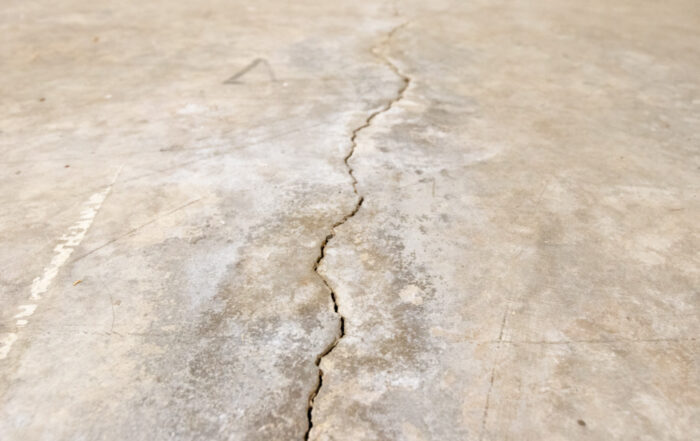
In many households, the first signs of a cracked foundation are cracks in the floor, wall, or driveway. While you may not notice these cracks until they’ve formed in your commonly-used rooms, there’s a chance they started forming well before you noticed. Cracking often starts in the foundation before spreading to the drywall.
In more extreme cases, you may notice the floors in or around your home slanting or sloping – this often happens when the soil doesn’t shrink or swell evenly. You could also be at risk of moisture damage if water starts coming into your home through the cracks in your foundation.
Other common signs of a weak foundation include broken pipes and windows and doors that stick or are difficult to open. While you may be tempted to replace your windows or doors, it’s best to check your foundation first – even a brand new door is going to have the same issues if your foundation is weak.
What do I do if I expect my foundation is getting weak?
If you’re seeing any of these signs around your home, it may be time to schedule a foundation repair and inspection. Perma Pier is here to help you catch your foundational issues before they cause long-term damage. Call us to schedule a no-charge evaluation and one of our foundation experts will inspect your home for potential foundation problems.